Winged Crown Frame: A Designer’s Practical Review
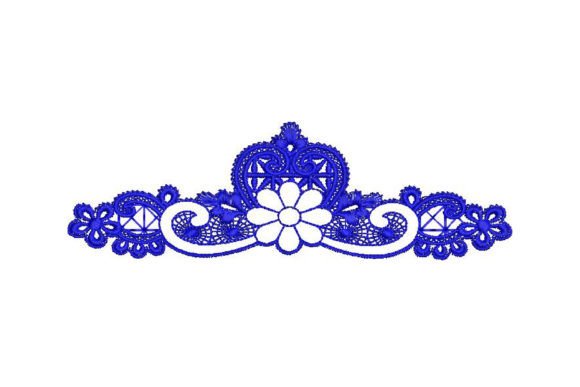
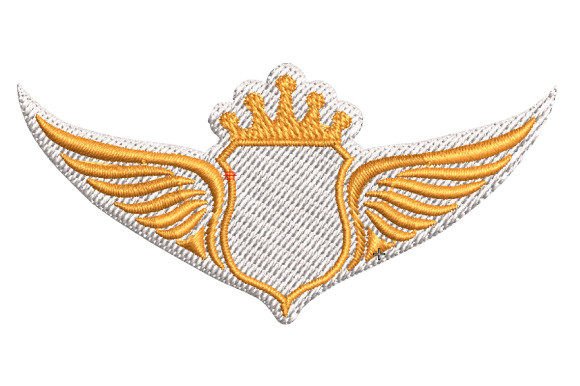
As an embroidery designer who has spent years digitizing patterns and critiquing thousands of files, I approach every new machine embroidery design with a mix of curiosity and skepticism. We have all seen designs that look stunning on a screen but turn into a tangled mess of thread breaks and puckering once they hit the fabric. That is why I took a close, practical look at the Winged Crown Frame. This piece falls under the category of Borders, but it functions more like a statement emblem, blending regal symbolism with soft, organic movement.
The concept is straightforward yet elegant: a royal crown anchored by sweeping wings. In theory, this combination suggests authority softened by grace. But does it hold up in real-world application? I evaluated this embroidery file not just for its aesthetic appeal, but for its viability in commercial projects, from custom apparel to boutique home goods.
First Impressions and Visual Personality
When I first loaded the preview of the Winged Crown Frame, the immediate impression was one of balanced symmetry. The crown provides a solid, geometric center, while the wings offer a necessary counterpoint with their curved, flowing lines. This contrast is crucial in Embroidery design; without it, borders can feel rigid or overly heavy. The layout suggests a mood that is both celebratory and refined, making it versatile enough for serious branding or whimsical personalization.
The detail level appears moderate. It avoids the trap of excessive micro-detailing that often plagues digital assets. For a designer, this is a relief. Overly complex wings can result in dense stitch areas that pull on lightweight fabrics, while too little detail makes the design look flat from a distance. This design seems to strike a middle ground, relying on shape and flow rather than intricate internal shading to convey its message.
Real-World Application: The Custom Tote Bag Test
To truly understand how this design performs, I mentally walked through a common scenario for many Etsy sellers and craft business owners: creating a high-end personalized tote bag. Imagine a canvas tote in a natural oatmeal color. You want to place the Winged Crown Frame centrally, perhaps framing a customer’s initials or a small boutique logo inside the crown’s arch.
In this context, the design shines. The wings extend outward, creating a natural boundary that draws the eye inward. If you are using this as a tote bag design, the width of the wings helps anchor the visual weight on a large surface area. However, the success here depends heavily on your choice of thread colors. A monochromatic look, such as cream thread on white canvas, would highlight the texture of the satin stitch and fill stitch work, giving a subtle, sophisticated finish. Conversely, using a metallic gold thread for the crown and a soft silver for the wings could elevate the product into the luxury gift market.
This versatility makes it a strong candidate for personalized gift items. Whether it is for a wedding favor, a baby shower keepsake, or a boutique’s packaging, the design communicates quality. It does not scream for attention; instead, it invites closer inspection, which is exactly what you want in a handmade product.
Fabric Considerations and Stitching Challenges
While the design is visually appealing, practical execution requires careful planning. The wings, being curved elements, are susceptible to distortion if not stabilized correctly. If you are stitching this on stretchy fabric, such as a jersey knit for a sweatshirt embroidery project, you must use a high-quality cut-away stabilizer. The tension from the wing tips can cause the fabric to pucker if the stabilization is insufficient.
For those interested in custom apparel, consider the placement carefully. On a cap or hat, the curved surface presents a challenge. The flat geometry of the crown might distort when applied to a rounded panel. In such cases, I recommend testing the design on a scrap piece of the same material first. Check how the stitch density interacts with the curve. If the design feels too stiff, it may not lay flat, ruining the sleek look of the headwear.
Additionally, be mindful of fabric texture. On highly textured materials like terry cloth or thick wool, fine details in the crown’s jewels or the feathering of the wings might get lost. In these instances, simplifying the thread palette and increasing the contrast between the design and the background becomes essential. For thin fabrics like silk or chiffon, this design might be too dense unless you use a water-soluble stabilizer and reduce the overall density settings if your software allows.
Commercial Viability for Small Shops
For small shop product creators, the Winged Crown Frame offers significant value as a design asset. It is not just a decorative element; it is a branding tool. When used consistently across various items—aprons, pillow covers, tea towels—it creates a recognizable visual identity. Customers begin to associate that specific winged motif with your brand’s standard of elegance.
However, before listing finished items or selling the digital embroidery file itself, you must verify the licensing terms. The product description mentions multiple embroidery files, which usually implies a range of hoop sizes. This is critical for commercial embroidery operations. You need to ensure that the file includes formats compatible with your specific machine and that the license permits resale of finished goods. Never assume; always check the documentation provided with the download.
Furthermore, consider the production time. Designs with extensive satin work take longer to stitch. If you are running a high-volume operation, calculate the stitch time against your pricing model. A design that takes forty minutes to stitch needs to be priced differently than one that takes ten. The Winged Crown Frame likely falls into the medium-time category, making it suitable for premium items rather than quick-turnaround discount goods.
Designer Notes for Best Results
To ensure your final product meets professional standards, follow these practical steps:
- Test on Scrap Fabric: Always run a test stitch-out on the actual fabric you intend to use. This reveals any tension issues or registration errors before you commit to the final piece.
- Check Thread Contrast: View your design in black and white. If the details disappear in grayscale, they will likely get lost in low-light conditions or from a distance. Adjust your thread choices accordingly.
- Verify Hoop Size: Ensure the design fits comfortably within your hoop with adequate margin for clamping. Crowding the edges can lead to hoop burns or skipped stitches.
- Inspect Small Details: Zoom in on the connection points between the wings and the crown. These areas are prone to thread breaks if the jump stitches are not trimmed properly or if the tie-ins are weak.
- Consider the End Use: If the item will be washed frequently, such as a baby item or kitchen towel, ensure you use polyester thread for durability and colorfastness.
In conclusion, the Winged Crown Frame is a thoughtful addition to any designer’s library. It balances traditional symbolism with modern aesthetic sensibilities. While it requires attention to stabilization and fabric choice, its potential for elevating finished product quality is high. For the discerning maker, it offers a reliable path to creating items that feel both special and professionally crafted.