Little Miss Firecracker: A Pro Design Review
As an embroidery designer who has spent years digitizing and testing files for commercial use, I approach every new machine embroidery design with a critical eye. It is not just about whether a motif looks cute on a screen; it is about how it performs under the needle, how it holds up after washing, and most importantly, how it serves the brand identity of the small business owner purchasing it. Today, I am reviewing Little Miss Firecracker, a design positioned within the Independence Day category, to determine its viability for small business merchandise, branded patches, and custom apparel.
First Impressions: Visual Personality and Market Fit
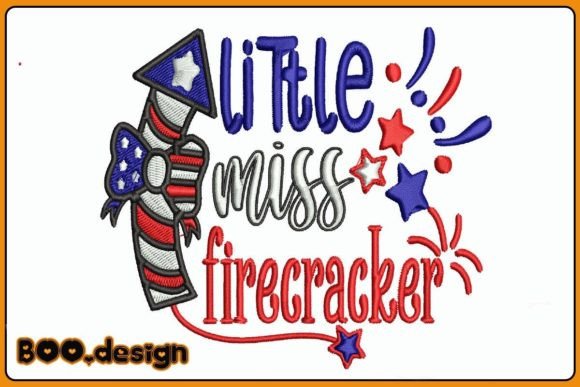
The title Little Miss Firecracker immediately suggests a playful, bold, and spirited aesthetic. For boutique owners and Etsy sellers, this type of imagery is gold during the summer season. The description promises a high-quality embroidery design suitable for shirts, aprons, hats, canvas, and towels. From a design perspective, this versatility is crucial. A design that works on a structured cap often fails on a soft towel due to differences in fabric tension and texture.
Visually, one expects this design to lean towards the "fun" side of the spectrum rather than the elegant or minimalist. This makes it an excellent candidate for businesses targeting families, children’s boutiques, or casual lifestyle brands. However, for a professional review, we must look past the initial charm. Does the digitizing support the concept? Is the stitch flow logical? These are the questions that determine if a digital embroidery file is a asset or a liability for a production shop.
Real-World Application for Small Business Merch
Let us imagine a local bakery or a creative studio looking to boost their small business merch sales before July 4th. Little Miss Firecracker offers several strategic placement opportunities that can drive revenue.
- Embroidered Patches: This is perhaps the strongest use case. By stitching the design onto twill or felt and cutting it out, you create a versatile product. Customers can buy these patches to iron or sew onto denim jackets, backpacks, or hats. It transforms a simple design into a standalone handmade product.
- Apron Embroidery: For bakeries and florists, branded aprons are walking advertisements. Placing this design on the chest pocket area adds personality to staff uniforms. It breaks the monotony of standard logos and engages customers with a seasonal touch.
- Cap Embroidery: Hats are high-margin items. However, the curved surface of a cap front requires precise digitizing. If Little Miss Firecracker has balanced stitch density, it will sit flat without puckering the fabric, making it a premium addition to a summer collection.
- Tote Bag Design: Canvas totes are staples for craft fairs. A bold, colorful design like this stands out against natural canvas. It turns a generic bag into a statement piece, increasing the perceived value of the finished product.
Technical Considerations and Potential Pitfalls
While the marketing copy states it will look great on various items, an experienced embroiderer knows that "one size fits all" is a myth in our industry. There are specific areas where you must exercise caution when using Little Miss Firecracker.
First, consider the scale. If you intend to use this as a small chest logo on a polo shirt, you must verify the minimum viable size. Complex details can become muddy if scaled down too far. Always check if the design retains its clarity at smaller dimensions. Second, be mindful of thread colors. Firecracker themes usually imply reds, blues, and whites. On dark uniforms, these colors pop, but you may need an underlay or a white background patch to ensure visibility and prevent the garment color from bleeding through the stitches.
Another critical factor is fabric texture. The description mentions towels. Terry cloth is notoriously difficult for detailed embroidery because the loops can interfere with stitch formation. If you plan to offer this on towels, you must use a strong cut-away stabilizer and potentially a water-soluble topping to keep the stitches clean and prevent sinking. Without proper stabilization, the design may look messy and unprofessional, damaging your brand’s reputation for quality.
Impact on Brand Identity and Customer Trust
Why does the choice of a single design matter? Because every stitch contributes to your brand identity. Using a well-digitized, thematic design like Little Miss Firecracker shows attention to detail. It signals to your customers that you care about aesthetics and seasonality. For handmade brands, this level of curation builds trust. When a customer sees a crisp, clean embroidery on a tote bag or a hat, they perceive higher value.
Furthermore, consistency is key. If your brand is known for playful, Americana-inspired goods, this design fits seamlessly into your existing design assets. It reinforces your visual language. However, if your brand is strictly minimalist and modern, this design might clash. Always compare new additions beside your other products to ensure visual consistency. A cohesive collection sells better than a disjointed array of random motifs.
Practical Notes for the Professional Embroiderer
Before you run a full production batch for a client or your own inventory, follow these essential steps to ensure success with Little Miss Firecracker:
- Test in Black and White First: Stitch out the design using only black thread on white fabric. This allows you to inspect the stitch structure, spacing, and density without the distraction of color. Look for gaps, overlaps, or excessive jump stitches.
- Verify Hoop Size: The product description does not specify the exact hoop size required. You must check the file details before loading it into your machine. Attempting to force a large design into a small hoop can damage your machine or ruin the garment.
- Check Commercial Licensing: Never assume a file is free for commercial use. Confirm the license terms explicitly. You need to know if you can sell the embroidered patch or custom apparel made with this file, or if there are restrictions on quantity.
- Create a Printable Mockup: Before stitching, use software to place the design on a digital image of your product. This helps you visualize scale and placement, saving time and materials. Share this printable mockup with clients for approval if you are doing custom work.
- Test on Real Fabric: Digital simulations are not perfect. Stitch a sample on the actual material you plan to use—whether it is denim, cotton, or polyester. Check how the fabric texture interacts with the stitches.
Final Verdict for Business Use
Little Miss Firecracker presents itself as a versatile option for the Independence Day market. Its potential lies in its adaptability across different mediums, from apron embroidery to decorative patches. For small business owners, it offers a way to create timely, engaging products that resonate with the summer spirit. However, its success depends entirely on technical execution. By respecting the limitations of fabric and machinery, and by conducting thorough tests, you can transform this embroidery file into a profitable component of your commercial embroidery offerings. Always prioritize quality control, because in the world of branded merchandise, the finish is everything.