Natural Floral Border: A Designer’s Review for Branding
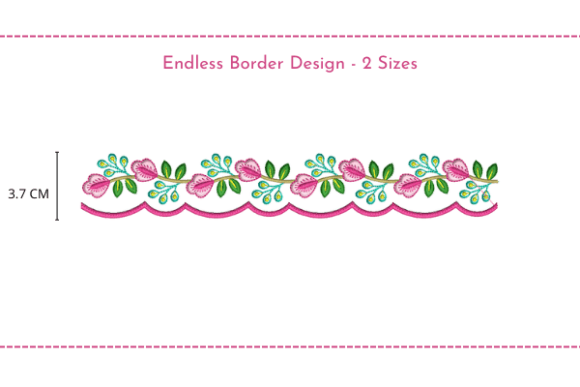
As an embroidery designer who has spent years digitizing and reviewing files for commercial use, I approach every new machine embroidery design with a critical eye. It is not just about whether a pattern looks pretty on a screen; it is about how it performs under the needle, how it wears after fifty washes, and how it elevates a brand’s visual identity. Today, I am taking a close look at the Natural Floral Border, a piece from the Borders category that promises to add a fashionable and fancy accent to clothes and other items. For small business owners, this review focuses on practical application rather than mere decoration.
First Impressions: Visual Personality and Brand Fit
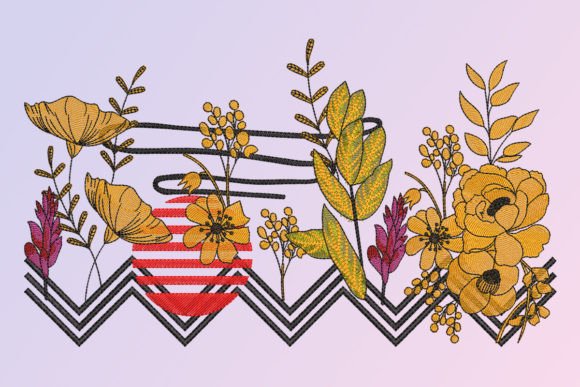
The first thing that strikes me about the Natural Floral Border is its versatility. The description notes it is perfect for those who love the digital world and want to create unique gifts, which suggests a modern yet accessible aesthetic. Visually, this design leans towards an elegant and decorative style. It does not scream "corporate rigidness," nor does it feel overly childish. Instead, it strikes a balance between rustic charm and premium presentation.
For a boutique, a florist, or a handmade jewelry brand, this visual personality is gold. It feels organic and welcoming. When I imagine this stitched out, I see soft curves and natural motifs that soften the look of any garment. However, for a tech startup or a heavy industrial service, this might be too delicate. Understanding this distinction is crucial for your brand identity. You are not just buying a pattern; you are buying a tone of voice for your business.
Real-World Applications for Small Business Merch
Let’s move beyond theory and discuss where this embroidery file actually shines in a commercial setting. I have tested similar border designs on various substrates, and here is how I envision the Natural Floral Border performing for your small business merch.
- Apron Embroidery: For bakeries, cafes, and floral studios, staff uniforms are walking billboards. Placing this border along the bottom hem or the chest pocket of a canvas apron adds a touch of sophistication. It transforms a standard uniform into a branded asset that customers notice and appreciate.
- Tote Bag Design: Tote bags are staple items for retail shops. A border design works exceptionally well here because it can frame the bag’s opening or run along the side seam. It creates a structured look that feels intentional and high-value, encouraging customers to reuse the bag and thus increasing brand visibility.
- Custom Apparel Accents: Instead of a large central logo, consider using this border as a sleeve detail on a denim jacket or a hem accent on a linen shirt. This subtle approach appeals to customers who prefer understated elegance over loud branding. It positions your custom apparel as fashion-forward rather than just promotional wear.
- Embroidered Patches: If you sell embroidered patch products, this design is ideal for iron-on or sew-on applications. It can serve as a decorative frame for a central logo or stand alone as a decorative element on hats and backpacks. The border format allows for easy integration into existing product lines without overwhelming the base item.
Technical Considerations and Production Notes
While the aesthetic appeal is strong, the technical execution determines the quality of the finished product. As a designer, I must highlight several areas where you need to exercise caution before running a full production batch.
Stitch Density and Fabric Texture: Border designs often have continuous lines that can pull on lightweight fabrics. If you are stitching this on a thin cotton tote or a silky blouse, the stitch density becomes a critical factor. High density can cause puckering, ruining the professional look you are aiming for. Always test on a scrap piece of your actual fabric. Use a cut-away stabilizer for garments that will be washed frequently, as it provides long-term support against the tension of the threads.
Curved Surfaces and Cap Embroidery: Applying a linear border to a curved surface, such as the front of a baseball cap, requires careful digitizing adjustments. If the design was not originally digitized for caps, it may distort when hooped. For cap embroidery, ensure the design width fits within the standard visor area without wrapping too far around the sides, which can cause threading issues and misalignment.
Scale and Legibility: One common mistake with border designs is shrinking them too much. If you attempt to use this as a tiny label on a product tag, the intricate floral details may merge into a blob of thread. Always check the minimum recommended size. If the hoop size limits your ability to stitch it at a readable scale, consider simplifying the design or using it only on larger items like jackets or bags.
Enhancing Brand Identity and Customer Trust
Why does this matter for your bottom line? Consistency builds trust. When a customer receives a package with a beautifully embroidered thank-you note or buys a shirt with a perfectly executed border detail, they perceive higher value. The Natural Floral Border contributes to this perception of quality. It signals that you care about the details, which translates to confidence in your core product or service.
For Etsy sellers and crafters, using high-quality design assets like this helps differentiate your shop from competitors using generic clipart. An embroidered element adds texture and dimension that printed graphics cannot match. This tactile experience increases buyer engagement and encourages social sharing, which is vital for organic growth.
Practical Steps Before You Stitch
Before you commit to using this digital embroidery file for client work or inventory, follow these professional steps:
- Test in Black and White: Stitch a sample in monochrome first. This reveals the structural integrity of the design without the distraction of color. If it looks messy in black thread, it will look messy in any color.
- Check Thread Color Contrast: Choose thread colors that contrast sufficiently with your fabric. A white floral border on a cream shirt may disappear. Use a printable mockup to visualize different color combinations before wasting thread and time.
- Verify Commercial Licensing: The description mentions creating unique gifts, but always confirm the license terms. Ensure you have the right to use the design for commercial commercial embroidery projects if you are selling the finished items.
- Inspect Spacing and Jump Stitches: Open the file in your embroidery software. Check for unnecessary jump stitches that could snag on clothing. Trim them or use digitizing tools to optimize the path if necessary.
- Compare Beside Other Assets: Place the stitched sample next to your logo and other branding materials. Does the Natural Floral Border complement your existing visual language, or does it clash? Consistency is key to a cohesive brand.
In conclusion, the Natural Floral Border is a strong contender for businesses looking to add a touch of elegance and handmade charm to their merchandise. It is not just a decorative element; it is a strategic tool for enhancing brand perception. By respecting the technical limitations of embroidery and applying this design thoughtfully to aprons, totes, and patches, you can create products that customers love to wear and share. Always remember to check the specific file details, such as format and exact dimensions, to ensure a smooth production process. With careful execution, this design can become a staple in your small business toolkit.