Labrador Retriever Smiling Yellow Lab Review
As an embroidery designer who has spent countless weekends behind a craft fair table, I have learned that not all designs are created equal. Some look beautiful on a screen but fail to capture attention in a busy booth. Others become instant bestsellers because they hit the emotional sweet spot of the buyer. Today, I am reviewing the Labrador Retriever Smiling Yellow Lab machine embroidery design with a specific focus on its potential for craft fair products and handmade market sales.
The premise is simple yet powerful: Labrador Retriever lovers are a dedicated demographic. They do not just own dogs; they celebrate them. This design promises to bring the animal to life through stitching, using colors based on the reliable ISACORD 40 palette. For those of us running small shops or Etsy stores, understanding how this digital embroidery file translates into a tangible, high-value finished product is crucial.
First Impressions and Visual Appeal
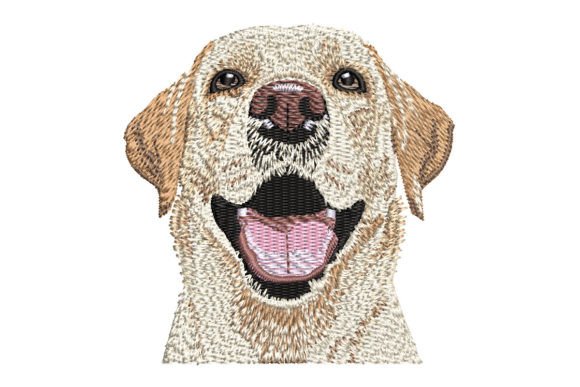
When I first loaded the Labrador Retriever Smiling Yellow Lab into my editing software, the immediate impression was one of warmth and approachability. The "smiling" aspect is key here. In the world of Dogs and Embroidery, expressions matter. A neutral dog can look stoic, but a smiling dog invites connection. This design feels less like a rigid portrait and more like a friendly greeting.
The aesthetic leans towards cute and modern rather than overly rustic or formal. This versatility is a significant advantage for a craft fair seller. It fits equally well on a whimsical tote bag for a young professional or a cozy pillow cover for a family home. The use of ISACORD 40 thread colors suggests a vibrant, saturated look that stands out against various fabric backgrounds. However, because yellow labs have subtle shading, the success of this design relies heavily on proper thread contrast and stitch placement.
Product Applications for Maximum Sales
To determine the best use for this design, I evaluated several common craft fair items. Here is where the Labrador Retriever Smiling Yellow Lab shines:
- Tote Bag Design: This is arguably the strongest application. A large hoop size allows the face to be the focal point. Canvas totes are durable, and the bold yellow tones pop beautifully against natural cotton or navy blue fabric. It transforms a generic bag into a statement piece for dog lovers.
- Apron Embroidery: Kitchen aprons are perennial favorites. Placing the smiling lab on the bib creates an instant conversation starter. It appeals to customers who love cooking and their pets equally.
- Tea Towel Embroidery: For a smaller accent, this design works well on flour sack towels. However, you must be cautious with fabric texture. Textured towels can distort fine details, so ensure the stitch density is appropriate for terry cloth or waffle weave.
- Embroidered Patch: If the design scales down well, it makes an excellent iron-on or sew-on patch. Patches are low-cost, high-margin items that allow customers to customize their own jackets or bags.
- Pillow Covers: A centered design on a linen or cotton pillow cover adds a touch of personality to living rooms. It serves as a gentle, decorative element that does not overwhelm the space.
While caps and curved surfaces are popular, I would approach them with caution. The curvature of a cap can distort the symmetry of a face. If you choose to embroider on caps, ensure you use a strong stabilizer and test the alignment thoroughly.
Production Practicality and Batch Efficiency
For a handmade product business, time is money. The Labrador Retriever Smiling Yellow Lab appears to be designed for efficiency. The description notes that the colors are based on ISACORD 40, which is a standard in the industry. This means most professional embroiderers already have these threads on hand, reducing setup time.
However, you must check the stitch density before running a full batch. Dense stitch areas can cause puckering, especially on lighter fabrics like tea towels. If the design has heavy saturation in the fur areas, consider using a cut-away stabilizer for garments and a tear-away for stable home decor items. Always test the design on scrap fabric first. This step is non-negotiable for maintaining brand consistency and quality.
Another critical factor is scalability. Does the design lose clarity when resized? Small lettering or tiny details in the eyes and nose can disappear if the hoop size is too small. I recommend creating at least one real mockup in the smallest size you intend to sell. If the eyes look like solid black blobs rather than expressive features, you may need to limit the minimum size for production.
Marketing and Customer Engagement
From a marketing perspective, this design is a goldmine for an Etsy seller or boutique maker. Dog owners are passionate buyers. When you list this as a commercial embroidery product or a finished good, use keywords that highlight the emotion. Phrases like "joyful," "loyal companion," and "handmade gift for dog moms" resonate deeply.
Photography plays a vital role here. The yellow tones of the lab need to be captured accurately. Use natural light to avoid color casting. A printable mockup can help you visualize the design on different products before you commit to production, but nothing beats a high-quality photo of the actual stitched item. Show the texture of the threads. Let customers see the quality of the stitch work.
Furthermore, consider the context of your booth display. Grouping this design with other canine-themed items creates a cohesive section that draws in dog lovers. It acts as an anchor product that signals to customers that you understand their passion.
Technical Considerations and Careful Use
Before you launch this design into your product line, address these technical points:
- Fabric Contrast: Yellow thread on white fabric may lack visibility. Test the design on cream, beige, or darker backgrounds to ensure the lab’s features stand out.
- Stabilizer Selection: Match the stabilizer to the fabric. Knit fabrics require cut-away stabilizers to prevent distortion, while woven fabrics can often use tear-away.
- File Conversion: The description states you have to convert colors if you do not use ISACORD. Ensure your embroidery machine software handles this conversion smoothly to maintain the intended shading and depth.
- Commercial Licensing: Always confirm the license terms of the digital embroidery file. Ensure you have the right to sell finished products made with this design. This is essential for legal compliance and professional integrity.
Final Verdict for Craft Fair Sellers
The Labrador Retriever Smiling Yellow Lab is a strong contender for any embroidery business focused on pet lovers. Its emotional appeal, combined with the versatility of the subject matter, makes it suitable for a wide range of products from tote bags to patches. By paying attention to stitch density, fabric choice, and presentation, you can turn this design asset into a consistent revenue stream.
Remember, the goal is not just to stitch a dog, but to capture a personality. When customers see that smile, they should feel a connection. That connection is what drives sales at craft fairs and online markets. Test thoroughly, photograph beautifully, and let this cheerful lab bring life to your handmade collection.