Apricot Poodle Embroidery Review
As an embroidery designer who spends countless hours digitizing and testing files for commercial use, I am always on the lookout for designs that balance aesthetic charm with technical reliability. When I came across Apricot Poodle on Creative Fabrica, it immediately caught my eye. For those of us specializing in pet-themed machine embroidery design projects, finding a motif that captures the personality of a breed without becoming a tangled mess of thread is a constant challenge. This review explores whether this specific embroidery file holds up under the scrutiny of real-world production, from custom apparel to boutique home decor.
First Impressions and Visual Appeal
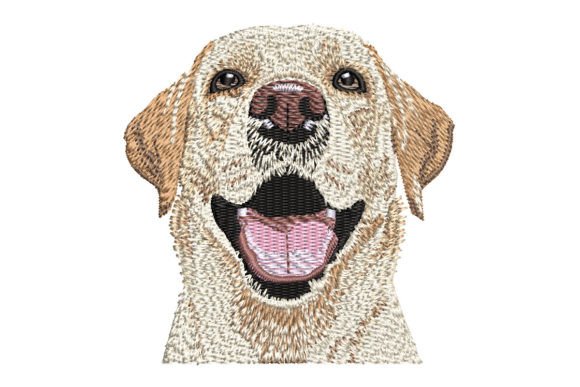
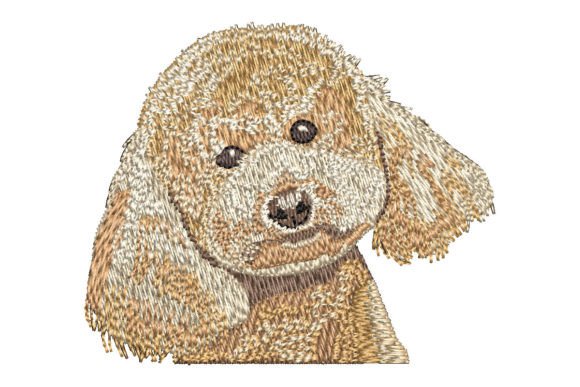
The first thing you notice about Apricot Poodle is its warmth. The color palette, which is based on ISACORD 40 standards, offers a soft, inviting look that translates beautifully to fabric. For poodle and dog lovers, the goal is to stitch out the animal in a way that makes it come to life, and this design leans into that organic feel. It does not rely on harsh outlines or overly rigid geometric shapes. Instead, it uses a combination of satin stitch borders and textured fill stitch areas to mimic the curly, plush coat of an apricot poodle.
From a design perspective, the mood is playful yet elegant. It fits seamlessly into the current trend of whimsical nursery decor and sophisticated pet-portrait merchandise. If you are building a catalog for an Etsy shop or a local craft fair, this type of imagery has high "stop power." It appeals to a specific niche—poodle owners—who are often willing to pay a premium for personalized, high-quality items featuring their beloved pets. The visual clarity of the design ensures that it reads well even from a distance, which is crucial for items like tote bags or pillow covers.
Performance in Real-World Projects
I evaluated Apricot Poodle with several potential products in mind. Here is how I anticipate it performing across different applications:
- Custom Apparel and Sweatshirts: This design is ideal for sweatshirt embroidery. The soft colors complement heather grey, cream, or pastel fleece fabrics. However, because sweatshirt material is thick and slightly stretchy, proper hooping and stabilizer selection are critical to prevent puckering around the denser fill areas.
- Tote Bags and Canvas Goods: As a tote bag design, the poodle stands out nicely against natural cotton canvas. The contrast between the apricot tones and the neutral background creates a clean, professional look that appeals to buyers looking for everyday carryalls with personality.
- Nursery Decor and Baby Items: For baby blankets or bibs, the gentle aesthetic is perfect. However, when working with delicate baby fabrics, you must ensure the stitch density is not too high, as heavy stitching can make the fabric stiff and uncomfortable against sensitive skin.
- Embroidered Patches: This design could work well as an embroidered patch if scaled correctly. The defined edges allow for a clean merrowed or satin border, making it a great add-on for denim jackets or backpacks.
Technical Considerations for Stitching
While the visual appeal is strong, the technical execution is where many designs fail. The product description notes that all files are tested, which is a reassuring sign for Creative Fabrica embroidery users. However, every machine and fabric combination is unique. Here are the practical factors I consider before running this design on a customer order:
Fabric and Stabilizer Choice: Because the design features detailed fur texture, using the wrong stabilizer can lead to distortion. For woven fabrics like cotton or linen, a cut-away stabilizer is usually best to provide long-term support. For knit fabrics like t-shirts or sweatshirts, a tear-away backed with fusible interfacing might be necessary to keep the design flat. Always test on scrap fabric first. This allows you to check thread tension and ensure the running stitch underlays are sufficient to hold the fabric in place before the heavier stitches begin.
Thread Color Conversion: The description explicitly states that the colors are based on ISACORD 40 and that you may need to convert them if they are not available in your area. This is a standard practice, but it requires attention to detail. If you switch to a different brand like Madeira or Robison-Anton, ensure the shade variations maintain the depth of the apricot hue. A flat, single-color substitution can make the poodle look two-dimensional and lose its lifelike quality.
Hoop Size and Placement: Before purchasing, confirm the hoop size requirements listed on the product page. While the design looks compact, intricate details require adequate space to breathe. If you are placing this on a curved surface, such as a cap, you must account for the distortion that occurs during stitching. Cap embroidery requires specialized backing and often a slower stitch speed to maintain precision.
Enhancing Product Value and Brand Consistency
Using high-quality assets like Apricot Poodle directly impacts your perceived value as a maker. In the world of commercial embroidery, consistency is key. If your portfolio features crisp, well-executed animal portraits, customers learn to trust your craftsmanship. This design helps maintain that standard because it avoids common pitfalls like excessive jump stitches or poorly defined edges.
Furthermore, this design enhances the giftability of your products. A personalized gift featuring a customer’s specific dog breed creates an emotional connection. When you pair this embroidery with high-quality blanks—such as premium aprons, kitchen towels, or pillow covers—you create a finished product that feels luxurious. This perception allows you to price your items competitively while maintaining healthy margins.
For online sellers, the visual appeal of the stitched design also aids in marketing. A well-stitched poodle makes for an excellent printable mockup or hero image in your online store. It demonstrates the texture and quality of your work, encouraging clicks and conversions. Whether you are selling design assets or physical goods, the professionalism of the underlying file reflects on your brand.
Final Verdict and Best Practices
Is Apricot Poodle worth adding to your library? For designers focusing on Dogs and pet-related Embroidery, yes. It offers a charming, versatile motif that can be adapted for various markets, from children’s wear to adult fashion accessories. The reliance on standard ISACORD colors makes it accessible, provided you take the time to verify your thread chart conversions.
Before you start stitching for profit, remember these final steps:
- Check Licensing: Always review the license terms on the Creative Fabrica product page. Ensure you understand the rights for selling finished items versus redistributing the digital file itself.
- Test Stitch: Run a test on the actual fabric you plan to use. Check for any thread breaks or nesting issues, particularly in the dense fur areas.
- Inspect Details: After stitching, inspect the small details. Trim any loose jumps and ensure the satin edges are smooth and uniform.
- Photograph Well: Use good lighting to capture the texture of the stitches. This helps potential buyers appreciate the quality of the digital embroidery file execution.
In conclusion, Apricot Poodle is a solid addition to any embroidery designer’s toolkit. It balances artistic flair with practical usability, making it a reliable choice for creating memorable, high-quality handmade products.