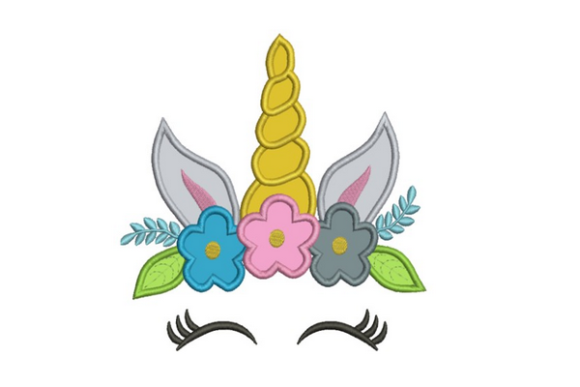
Unicorn Face Applique: A Designer’s Review for Business Merch
As an embroidery designer who has spent years digitizing and testing files for commercial use, I approach every new machine embroidery design with a critical eye. It is not just about whether a motif looks cute on a screen; it is about how it performs under the needle, how it wears after fifty washes, and how it elevates a brand’s visual identity. Today, I am reviewing the Unicorn Face Applique, a digital asset categorized under Fairy Tales, to determine its viability for small business merchandise, branded patches, and custom apparel.
The first impression of this design is undeniably playful yet polished. In the world of Embroidery, balancing whimsy with professionalism is a delicate act. Many fantasy-themed designs suffer from excessive detail that turns into a tangled mess when stitched out at smaller sizes. However, the concept of an applique face suggests a smarter approach. By utilizing fabric layers rather than relying solely on satin stitches to fill large areas, this design likely reduces bulk and stitch count, making it a stronger candidate for wearable items like caps and children’s clothing.
Evaluating Visual Personality and Brand Fit
For boutique owners, bakeries, florists, or creative studios, the Unicorn Face Applique offers a specific aesthetic value. It feels friendly, magical, and inviting. This is crucial for businesses targeting families, children, or customers seeking a touch of escapism. If your brand identity leans towards the elegant, rustic, or strictly corporate, this design may not align. However, for handmade brands, Etsy sellers, and gift shops, it serves as a powerful visual hook.
The "Fairy Tales" category placement is accurate, but do not limit its use to storybook themes. Consider a local ice cream shop using this as a chest logo accent on staff uniforms, or a pet grooming salon specializing in small breeds incorporating it into their apron embroidery. The key is context. When used correctly, it enhances customer trust by showing attention to detail and a cohesive, fun brand personality. It transforms a plain tote bag or cap into a memorable piece of small business merch that customers are proud to wear.
Performance in Real-World Commercial Applications
Let us discuss where this digital embroidery file truly shines. The description notes it comes with multiple embroidery file formats, which is essential for compatibility across different machine brands. Here is how I envision this design performing in various commercial scenarios:
- Embroidered Patches: This is perhaps the strongest use case. An applique design translates beautifully to patch production. You can stitch these out on twill, cut them close to the border, and apply them to denim jackets, backpacks, or hats. This allows for scalable inventory; you can produce batches of patches and apply them to demand, reducing waste.
- Cap Embroidery: Curved surfaces are challenging. Because this is an applique, it should lay flatter than a fully stitched design. However, you must ensure the hoop size accommodates the front panel of your specific cap model. Test it on structured and unstructured caps to see how the fabric layers interact with the curve.
- Tote Bag Design: Canvas tote bags are staples for craft fairs and boutique giveaways. The Unicorn Face Applique adds a high-value perceived element to a low-cost item. Ensure you use a heavy-cut stabilizer to prevent the canvas from puckering around the applique edges.
- Apron Embroidery: For bakeries or craft studios, branded aprons are walking advertisements. Placing this design on the chest pocket or upper corner creates a professional yet approachable look. It signals creativity and care, which are vital for service-based businesses.
Critical Considerations for Production Quality
While the potential is high, there are areas where you must exercise caution. As a designer, I always advise checking the stitch density and spacing before running a full production batch. Applique designs require precise cutting of the base fabric. If the tack-down stitches are too sparse, the fabric may shift, resulting in uneven edges that look amateurish.
Consider the following technical constraints:
- Fabric Texture: Avoid using this on highly textured fabrics like thick wool or loose-weave linen unless you use a strong water-soluble topping. The smooth lines of a unicorn face can get lost or distorted if the underlying fabric is too rough.
- Thread Colors: The magic of this design relies on contrast. If you are stitching on dark uniforms, ensure your thread colors pop. Pastel threads on navy blue may vanish. Always create a printable mockup or test stitch on the actual garment color to verify visibility.
- Washability: Items that undergo frequent washing, such as staff shirts or children’s clothes, need secure edges. Verify that the satin stitch border covering the applique raw edge is dense enough to withstand friction. If the edges fray after three washes, it reflects poorly on your finished product quality.
- Size Limitations: Do not shrink this design too much. Intricate facial features, even in applique form, can merge together if scaled down below two inches. Check the minimum recommended size in the file documentation.
Enhancing Brand Identity and Customer Engagement
Using a distinct design like the Unicorn Face Applique contributes significantly to brand recognition. In a saturated market, consistent visual assets help customers identify your products instantly. Whether it is a label on a handmade quilt or a logo on a café cup sleeve, this design acts as a signature.
Furthermore, it adds perceived value. A plain t-shirt might sell for $15, but one with a carefully executed, unique embroidered patch can command $25 or more. Customers associate embroidery with quality and durability. By integrating this design into your custom apparel line, you are not just selling a product; you are selling an experience and a piece of art. This emotional connection drives buyer engagement and encourages social sharing, which is free marketing for your small business.
Practical Designer Notes for Implementation
Before you commit to purchasing or producing, follow these steps to ensure success. First, if the license terms are not explicitly clear in the product description, contact the seller to confirm commercial usage rights. Never assume a digital embroidery file is free for resale or mass production without verification.
Second, test the design in black and white first. This helps you evaluate the contrast and shape definition without the distraction of color. If the design holds up in monochrome, it will likely work well in color. Third, inspect the hoop size requirements. Ensure your equipment can handle the dimensions without re-hooping, which can lead to alignment issues.
Finally, compare this design beside your other design assets. Does it fit your current collection? Does it complement your existing color palette? Consistency is key to a professional presentation. If you are creating a printable mockup for client approval, show the design on various items—caps, totes, and shirts—to demonstrate versatility.
In conclusion, the Unicorn Face Applique is a promising asset for businesses looking to add a touch of whimsy and professionalism to their merchandise. It bridges the gap between playful fantasy and commercial viability, provided it is executed with attention to technical detail. For embroidery shops, apparel decorators, and handmade brands, this design offers a versatile tool for enhancing brand identity and creating products that customers love to keep. Always prioritize testing, proper stabilization, and clear licensing to ensure your commercial embroidery projects meet the highest standards of quality.