Reviewing the Cakatoua Soufounam Plate Design
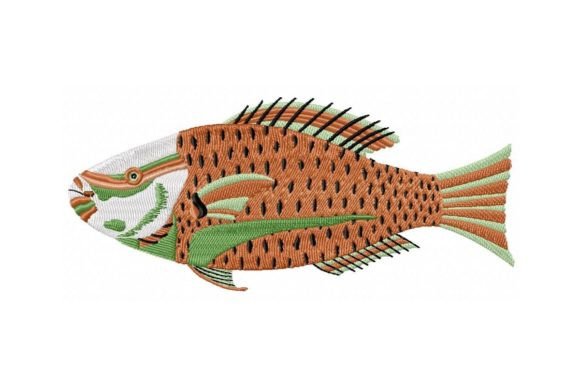
As an embroidery designer who spends countless hours digitizing and testing patterns for client projects, I have learned that not every machine embroidery design is created equal. Some are technically sound but lack soul, while others are visually stunning but impractical for production. Recently, I had the opportunity to test the Cakatoua Soufounam Plate, specifically design number 173, for a potential line of personalized gifts in my shop. This splendid fish machine embroidery design is inspired by Louis Renard’s historic fish collection, offering a unique blend of scientific illustration and decorative art. For anyone who loves digital arts and traditional needlework, this piece stands out as a compelling option for high-end custom work.
First Impressions: A Blend of History and Craft
When I first loaded the embroidery file into my software, the immediate impression was one of refined elegance. Unlike typical cartoonish or overly simplified aquatic motifs, the Cakatoua Soufounam Plate carries a vintage, almost museum-quality charm. The inspiration from Louis Renard’s collection is evident in the intricate detailing and the classic composition. It feels less like a modern graphic and more like a heirloom piece. This mood is crucial for sellers targeting customers who appreciate history, nature, and artisanal quality. The design does not scream for attention; rather, it invites closer inspection, which is exactly what you want in a personalized gift that is meant to be cherished.
The emotional appeal here is subtle yet strong. It feels sophisticated and educational, making it an excellent choice for nursery decor that aims to be stylish rather than merely playful. For a small shop product, this distinction matters. It elevates the perceived value of the item, suggesting that the creator has curated something special rather than pulling a generic clipart image from a free database.
Versatility in Personalized Gift Products
One of the primary concerns for any Etsy seller or craft fair vendor is versatility. Can this design work across multiple product lines? In my testing, I found that the Cakatoua Soufounam Plate adapts remarkably well to various textiles. Here is how I envision it performing in real-world applications:
- Kitchen and Dining: An embroidered towel featuring this fish design makes for a stunning housewarming gift. The organic shapes of the fish complement the texture of linen or cotton tea towels beautifully.
- Nursery and Baby Items: For baby embroidery, this design offers a gender-neutral, nature-inspired aesthetic. It works wonderfully on muslin swaddles or crib sheets, provided the stitch density is appropriate for delicate fabrics.
- Home Decor: A pillow cover with this motif can serve as a focal point in a coastal-themed living room or a study. The historical reference adds a layer of intellectual curiosity to the decor.
- Apparel and Accessories: Imagine this on a canvas tote bag or a denim apron. The contrast between the structured embroidery and the casual fabric creates a chic, handmade look that appeals to modern buyers.
For wedding gift designers, this could be adapted for a couple who loves fishing or marine biology. While not traditionally romantic, its uniqueness makes it a memorable wedding gift for the right recipients. The key is positioning it as a piece of art rather than just a decoration.
Technical Considerations for Embroidery Makers
While the visual appeal is high, practical execution requires careful planning. As a professional, I always advise checking specific technical details before committing to a large order. Since the product description for Cakatoua Soufounam Plate No. 173 does not specify exact parameters, you must verify the hoop size requirements. Fish designs often have elongated shapes that may require a rectangular hoop rather than a standard square one.
Stitch density is another critical factor. Detailed illustrations inspired by historical collections can sometimes have high stitch counts to capture fine lines. If the density is too high for lightweight fabrics, you risk puckering. Always test on scrap fabric first. I recommend using a cut-away stabilizer for garments that will be washed frequently, such as baby clothes or kitchen towels, to ensure the design remains stable over time.
Thread color selection is vital for this design. Since it is inspired by Louis Renard’s colorful illustrations, do not shy away from vibrant thread colors. However, if you are stitching on dark fabric, you may need to adjust the underlay or use a lighter top thread to ensure visibility. Conversely, on white linen, subtle tonal variations can create a sophisticated, monochromatic look. Always compare light and dark fabric mockups to see how the shadows and highlights of the embroidery translate.
Navigating Fabric Texture and Detail
The success of any custom embroidery project depends heavily on the interaction between the needle and the fabric texture. The Cakatoua Soufounam Plate features intricate details that might get lost on highly textured materials like thick terry cloth or loose-weave burlap. For an embroidered towel, choose a flat-woven linen or a smooth cotton rather than a plush bath towel. On stretchy baby clothes, ensure you use the correct stabilizer to prevent the design from distorting when the garment is worn.
Additionally, be mindful of curved surfaces. If you are embroidering on a pillow cover, ensure the design is centered correctly so that the seams do not cut off any part of the fish. Small lettering or fine fins should be checked closely after stitching. If the details appear muddy, you may need to reduce the stitch count or simplify the design slightly for smaller hoop sizes.
Enhancing Giftability and Customer Trust
From a business perspective, the Cakatoua Soufounam Plate significantly enhances the giftability of your products. A handmade product featuring a unique, historically inspired design tells a story. Customers are not just buying a fish; they are buying a piece of art that connects them to history and nature. This emotional connection drives buyer engagement and encourages social sharing, which is invaluable for small business owners.
High-quality photography is essential to showcase this design. Use natural light to highlight the sheen of the threads and the texture of the fabric. A printable mockup can help customers visualize the final product, but nothing replaces photos of the actual finished product. Show the embroidery on different items—a blanket, a tote, a frame—to demonstrate its versatility. This builds customer trust and reduces hesitation in purchasing.
Before selling, always confirm the commercial licensing terms associated with the digital embroidery file. Ensure that you have the right to sell finished products made with this design. Most reputable designers provide clear license agreements, but it is your responsibility to read and adhere to them. This professionalism protects your business and respects the original artist’s work.
Final Thoughts for the Modern Crafter
In conclusion, the Cakatoua Soufounam Plate is a standout choice for embroidery makers looking to expand their portfolio with something distinctive. It bridges the gap between digital art and tactile craftsmanship, offering a commercial embroidery asset that feels personal and curated. Whether you are creating a blanket embroidery for a newborn or a sophisticated accent for a home, this design delivers on both aesthetic and emotional levels. By paying attention to technical details like stabilizer choice, thread contrast, and fabric suitability, you can ensure that every piece you produce meets the high standards of your clientele. Embrace the charm of this fish design, and let it inspire your next collection of meaningful, handmade treasures.