Reviewing Pumpkins and Leaves Machine Quilting
As an embroidery designer who has spent years digitizing for small businesses, I approach every new machine embroidery design with a critical eye. It is not just about whether the motif looks pretty on a screen; it is about how it performs in production, how it elevates a brand, and whether it holds up under the stress of commercial use. Recently, I evaluated Pumpkins and Leaves Machine Quilting, a seasonal asset that promises versatility for autumn decoration. For boutique owners, Etsy sellers, and apparel decorators, understanding the practical application of this design is crucial before committing to bulk production.
First Impressions: Visual Personality and Brand Fit
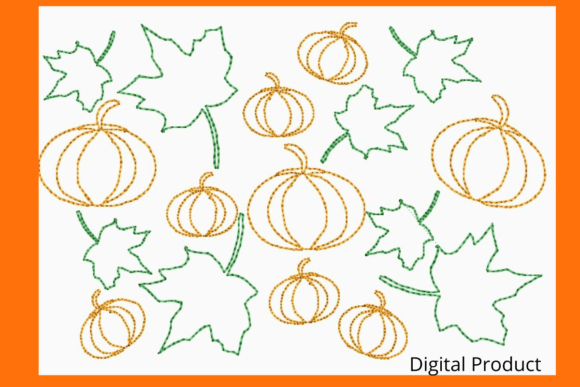
The immediate impression of Pumpkins and Leaves Machine Quilting is one of rustic charm mixed with traditional craftsmanship. The description suggests using it as a quilt design over patchwork or embroidering it onto plain fabric to highlight the pumpkins and leaves. This duality is significant for branding. It feels less like a corporate logo and more like a handmade signature. For businesses in the bakery, florist, or creative studio sectors, this aesthetic communicates warmth, approachability, and attention to detail.
The design leans towards a classic, decorative style rather than a modern, minimalist look. This makes it an excellent choice for brands that want to emphasize heritage, comfort, or artisanal quality. However, for tech startups or ultra-modern retail spaces, this might feel too ornate. When considering your brand identity, ask yourself if this level of decorative detail aligns with your customer’s expectations. If your audience values cozy, seasonal, and handcrafted vibes, this design is a strong contender.
Real-World Applications for Small Business Merch
The true value of any digital embroidery file lies in its versatility. Here is how Pumpkins and Leaves Machine Quilting performs across various merchandise categories:
- Embroidered Patches: This is perhaps the strongest use case. The organic shapes of pumpkins and leaves translate well to patch formats. You can create limited-edition autumn patches for customers to iron or sew onto jackets, adding a layer of exclusivity to your small business merch.
- Apron Embroidery: For cafes and bakeries, staff uniforms are walking billboards. Placing this design on the chest or lower corner of an apron adds a festive touch without overwhelming the uniform. It signals seasonality and care to every customer who walks through the door.
- Tote Bag Design: Canvas totes are staples for boutiques. Embroidering this motif on a plain cotton tote transforms a generic item into a premium, branded accessory. The contrast between the thread and the fabric texture can make the pumpkins pop, creating a desirable finished product.
- Cap Embroidery: While possible, cap fronts require careful scaling. The curved surface of a baseball cap can distort detailed designs. If you choose this route, ensure the design is simplified or scaled down to fit the limited hoop area without losing clarity.
- Customer Gifts and Packaging: Use smaller versions of the design on gift tags or packaging accents. It reinforces brand consistency and adds a tactile element to the unboxing experience.
Technical Considerations and Production Challenges
Before running this design on your commercial machines, there are several technical factors to address. The description notes that you can see all the pumpkins and leaves when embroidered on plain fabric. This implies a certain level of detail that requires precise execution.
Stitch Density and Fabric Texture: High stitch density can cause puckering, especially on lighter fabrics like cotton shirting or thin canvas. If you are working with textured fabric, such as linen or heavy wool, the design may need adjustment to prevent sinking. Always test on the actual material you intend to use. For smoother results on delicate items, consider using a cut-away stabilizer to provide long-term support, whereas tear-away might suffice for sturdy denim or canvas.
Thread Colors and Contrast: Autumn palettes are rich, but they can blend together if not chosen carefully. Orange threads on brown fabric, for example, may lack visibility. Test your thread colors in high-contrast combinations first. A dark green leaf on a cream background reads clearly, while subtle tonal shifts might get lost from a distance. Remember, your merchandise needs to be recognizable at a glance.
Hoop Size and Scaling: The description does not specify exact dimensions or hoop requirements. This is a critical gap you must fill before production. Check the file details to confirm the maximum and minimum sizes. If the design is too large for a standard 4x4 hoop, you may need to split it or use a larger machine. Conversely, if you shrink it too much for a small patch, the fine details of the leaves may merge, creating a messy appearance.
Strategic Branding and Customer Trust
Using seasonal designs like Pumpkins and Leaves Machine Quilting strategically impacts customer perception. It shows that your brand is active, current, and engaged with the cultural calendar. This relevance drives engagement, particularly on social media where visual appeal is paramount. A well-executed embroidered item serves as a tangible touchpoint that builds trust. It proves you invest in quality design assets and care about the presentation of your custom apparel and goods.
Furthermore, limited-time seasonal merchandise creates urgency. By offering products featuring this design only during the autumn months, you encourage faster purchase decisions. It also provides fresh content for your marketing channels, keeping your brand top-of-mind.
Practical Designer Notes for Implementation
To ensure success with this design, follow these professional steps:
- Test in Black and White: Before committing to colorful threads, stitch out the design in black thread on white fabric. This reveals the structural integrity of the digitizing. If it looks good in monochrome, it will likely look good in color.
- Create a Printable Mockup: Use digital tools to place the design on photos of your actual products. This helps visualize scale and placement without wasting thread and fabric. Share these mockups with clients or team members for feedback.
- Check Commercial Licensing: Never assume a file is free for commercial use. Verify the license terms associated with the embroidery file. Ensure you have the right to sell items made with this design, especially if you are producing high volumes for retail.
- Compare with Existing Assets: Place this design next to your current logo and other graphic elements. Does it clash? Does it complement? Visual consistency is key to a professional brand image.
- Inspect Spacing and Jump Stitches: Look closely at the digitizing. Are there excessive jump stitches that will need trimming? Poorly spaced elements can lead to thread breaks or uneven tension during high-speed commercial embroidery.
Final Verdict for Business Owners
Pumpkins and Leaves Machine Quilting is a versatile, seasonally appropriate design that offers significant value for businesses targeting the autumn market. Its strength lies in its ability to convey warmth and craftsmanship, making it ideal for patches, aprons, and tote bags. However, success depends on technical diligence. Pay close attention to stabilizer choice, thread contrast, and sizing constraints. By treating this design as a strategic branding tool rather than just a decorative element, you can enhance your product line, increase perceived value, and deepen customer connection. Always prioritize testing and licensing verification to protect your business and ensure a high-quality finished product that reflects your professional standards.