Retro Number Six: A Designer’s Review for Boutique Sweatshirts
As an embroidery designer who has spent years digitizing patterns and consulting with small clothing brands, I approach every new machine embroidery design with a critical eye. It is not just about whether the file opens correctly; it is about how that design translates onto fabric, how it feels to the touch, and ultimately, how it sells. Recently, I had the opportunity to test Retro Number Six for a limited-edition sweatshirt drop for a client’s boutique brand. The goal was simple: create a piece of custom apparel that feels premium, nostalgic, and effortlessly cool. Here is my honest evaluation of how this design performs in a real-world production environment.
First Impressions: Mood and Aesthetic Appeal
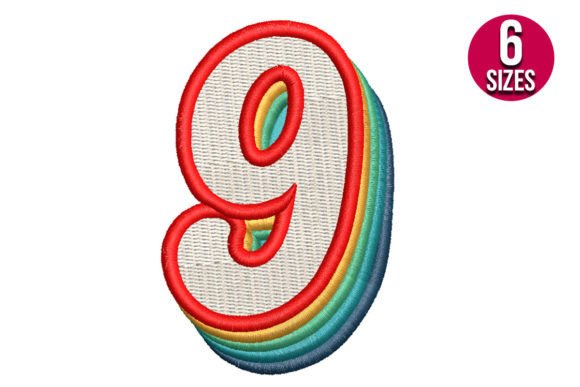
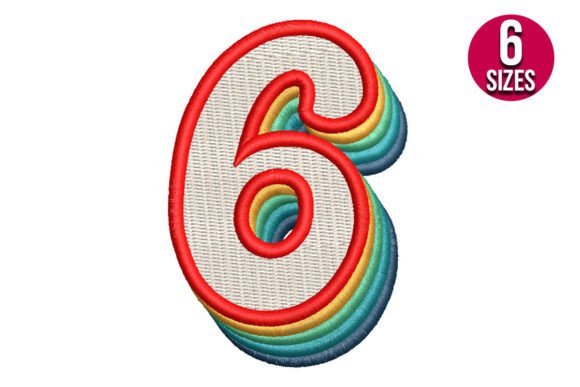
The moment I loaded the digital embroidery file into my software, the personality of Retro Number Six stood out. It does not try too hard. In a market saturated with overly complex graphics, this design relies on the strength of typography and retro styling. The number 6 is rendered with a vintage flair that suggests mid-century athletics or classic varsity wear. For a boutique owner, this is gold. It taps into the current trend of nostalgic minimalism without feeling dated.
The mood is distinctly playful yet classy. It strikes a balance between cute and bold, making it versatile enough for various demographics. Whether you are targeting young adults looking for trendy streetwear or parents seeking unique gifts for Birthdays, the aesthetic holds up. The layout is clean, ensuring that the stitching personality remains consistent regardless of the scale. It feels decorative enough to be a statement piece but minimal enough to integrate seamlessly into a cohesive collection.
Fabric Compatibility and Visual Impact
One of the most important aspects of reviewing a design is understanding how it interacts with different textiles. I tested Retro Number Six on several fabric types commonly used in small shop products. On neutral sweatshirts, such as heather grey or oatmeal, the design popped beautifully, especially when using high-contrast thread colors like navy or forest green. The retro style complements the soft, muted tones of modern basics.
When applied to dark fabric, such as charcoal or black fleece, the design required careful selection of thread colors to ensure readability. I found that metallic or bright pastel threads created a striking contrast, giving the hoodie design a luxurious, custom look. For pastel colors and oversized hoodies, the design felt soft and feminine, perfect for spring collections. The cozy seasonal apparel market thrives on these subtle details, and Retro Number Six delivers a finished product that looks expensive and well-thought-out.
The fabric texture plays a significant role here. On thicker materials like heavy-weight cotton blends, the design sat well on the surface without sinking in. However, on thinner fabrics, I noticed the need for proper stabilization to prevent puckering. This is a common concern with any embroidery, but the density of this particular number design handles standard sweatshirt materials quite well.
Placement Strategies for Maximum Appeal
Versatility is key for any commercial embroidery asset. I explored several placement options to see where Retro Number Six shines brightest. The most obvious choice is the left chest area of a sweatshirt or hoodie. This classic placement offers a subtle, branded look that appeals to customers who prefer understated style. It works exceptionally well for boutique merchandise where the focus is on quality rather than loud graphics.
For a bolder statement, I experimented with centering the design on the back of an oversized hoodie. At a larger scale, the retro details become more pronounced, turning the garment into a standout piece. This approach is excellent for lifestyle product photography, as it creates a strong visual focal point for your Etsy listings or social media posts. Additionally, consider using the design as a sleeve accent. Placing the number six on the upper arm adds a unique touch that distinguishes your custom apparel from mass-produced alternatives.
These placement options also enhance your printable mockup capabilities. When creating design assets for your online store, showing the embroidery in multiple locations helps customers visualize the final product. It builds buyer trust and increases customer engagement by demonstrating the flexibility of the design.
Technical Considerations for Production
From a technical standpoint, there are several factors to consider before running this design on your machines. While the product description mentions that it comes with multiple embroidery file formats, it is crucial to check the specific stitch count and recommended hoop size before production. These details are not explicitly provided in the brief description, so always review the included documentation to ensure compatibility with your equipment.
Stitch density is another critical factor. A design that is too dense can make stiff patches on soft sweatshirts, while one that is too sparse may lack definition. Retro Number Six appears to have a balanced density that maintains clarity without compromising the drape of the fabric. However, always test on a scrap piece of your actual material. The choice of stabilizer is equally important. For fleece or terry cloth, a cut-away stabilizer is often recommended to provide long-term support and washing durability.
Thread color contrast can make or break the readability of the number. Since this is a single character design, every stitch counts. Ensure your thread tension is calibrated correctly to avoid loops or breaks. Small-size readability is generally good, but if you plan to embroider it at a very small scale, simplify the thread palette to avoid visual clutter.
Elevating Brand Identity and Value
Using a high-quality design like Retro Number Six can significantly affect your product value. In the world of handmade products, presentation is everything. A well-executed embroidery signals attention to detail and craftsmanship, which justifies higher price points. For an Etsy seller or small business owner, this design helps establish a distinct brand identity. It moves your offerings from generic blanks to curated fashion items.
Visual recognition is enhanced when you use consistent design elements across your collection. If Retro Number Six becomes part of a series, customers begin to associate that retro aesthetic with your brand. This fosters loyalty and encourages repeat purchases. Furthermore, the versatility of the design allows for seasonal adaptations. You can change thread colors to match holiday themes or trending palettes, keeping your inventory fresh and relevant.
Ultimately, this embroidery file is more than just a pattern; it is a tool for storytelling. It allows you to create emotional connections with your customers through nostalgic design cues. Whether used for Birthdays, team uniforms, or everyday wear, it adds a layer of personalization that mass manufacturing cannot replicate.
Final Verdict for Creative Entrepreneurs
In conclusion, Retro Number Six is a strong contender for any embroidery designer’s library. It offers the right mix of retro charm and modern simplicity, making it ideal for sweatshirt embroidery and hoodie design projects. Its adaptability across different fabric textures and placement options makes it a valuable asset for boutique brands looking to expand their product lines.
Remember to verify the technical specifications, such as hoop size and file formats, before starting your production run. With the right thread colors and stabilizer choices, this design can elevate your custom apparel and help you stand out in a crowded market. For creative entrepreneurs and handmade business owners, investing in versatile, high-quality designs like this is a step toward building a sustainable and recognizable brand.