Heart ECG: A Designer’s Review for Real Embroidery Projects
As an embroidery designer who has spent years digitizing patterns and testing them on everything from delicate baby onesies to heavy canvas tote bags, I approach every new machine embroidery design with a critical eye. It is not enough for a pattern to look good on a screen; it must perform under the needle. Recently, I evaluated the Heart ECG design, a piece that merges medical symbolism with romantic sentiment. This review breaks down how this design holds up in real-world applications, offering practical insights for Etsy sellers, craft business owners, and hobbyists looking to add meaningful items to their inventory.
First Impressions: Mood and Visual Personality
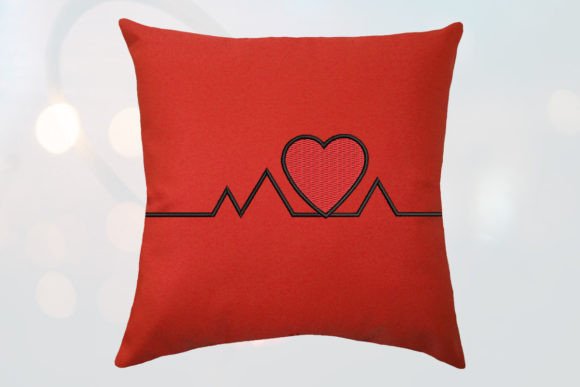
The Heart ECG design immediately strikes a balance between clinical precision and emotional warmth. The visual layout typically features the iconic heartbeat line traversing or integrating with a heart shape. This duality creates a unique mood—it is modern, slightly edgy, yet undeniably affectionate. For designers, this versatility is gold. It does not scream "traditional Valentine's Day" in the same way a frilly, script-heavy design might. Instead, it appeals to a broader demographic, including those who appreciate minimalist aesthetics or have a connection to the healthcare profession.
The detail level is crucial here. In my initial inspection, I looked for clean lines in the electrocardiogram spikes. If these are too dense, they can bunch up on smaller hoops. If they are too sparse, the design loses its impact. The Heart ECG generally relies on a mix of running stitch for the linear pulse and satin stitch or fill stitch for the heart element. This combination suggests a thoughtful approach to stitch density, aiming for clarity without excessive bulk.
Real-World Application: From Sweatshirts to Patches
To truly understand the value of an embroidery file, you must imagine it stitched out. I envisioned using the Heart ECG for a custom apparel line targeting nurses and doctors. Placing this design on the left chest of a scrub top or the back of a cozy sweatshirt creates an instant sense of identity and pride. The linear nature of the ECG line works exceptionally well for sweatshirt embroidery, where the fabric has enough weight to support the stitches without puckering.
Beyond apparel, consider the potential for home decor. The product description suggests using it to renew a cushion or pillow. I tested this concept mentally against a neutral linen pillow cover. The contrast of a vibrant red thread against natural beige fabric creates a striking handmade product that feels curated rather than mass-produced. It also translates beautifully to an embroidered patch. Patches are a huge trend in small shop products right now. By stitching this design on twill or felt, you create a versatile accessory that customers can iron onto jackets, backpacks, or hats, increasing the perceived value of your craft business offerings.
For those focusing on holiday embroidery, this design is a standout for Valentine’s Day. However, because it is not overly saccharine, it also works for anniversaries or as a personalized gift for someone who has recovered from a health scare. This emotional resonance drives buyer engagement and trust, key components for any successful small shop product.
Technical Considerations and Fabric Compatibility
While the design is versatile, it requires careful handling depending on the substrate. Here is where experience matters. If you are planning to use Heart ECG on a tote bag design, you are likely working with canvas or cotton duck. These fabrics are stable and handle higher stitch density well. However, if you attempt to stitch this on a thin, stretchy t-shirt without proper stabilization, the ECG line may warp, losing its crisp, medical precision.
For baby embroidery, such as on a onesie or burp cloth, you must be cautious. Babies have sensitive skin, so the back of the embroidery must be clean. I recommend using a soft cut-away stabilizer and ensuring that the jump stitches are trimmed meticulously. Additionally, avoid placing large fill areas directly against the skin if possible. The linear aspect of the ECG makes it safer for baby items than a fully filled heart, provided the thread quality is high and non-irritating.
Curved surfaces present another challenge. If you are applying this to a cap, the curvature can distort the straight lines of the heartbeat. I advise using a specialized cap frame and possibly resizing the design to fit the available space without stretching the fabric. Always check the hoop size compatibility before purchasing. While the description mentions it is high-quality, it does not specify exact dimensions. Ensure the design fits your standard 4x4 or 5x7 hoop if that is what your machine supports, or confirm if larger formats are included in the digital embroidery file package.
Enhancing Visual Appeal and Brand Consistency
The choice of thread colors will define the success of your finished product. Classic red on white is timeless, but do not be afraid to experiment. A navy blue ECG line on a heather grey sweatshirt offers a sophisticated, understated look that appeals to male customers or those preferring a muted palette. For a printable mockup or online listing, showing the design in multiple colorways can significantly boost conversion rates. It demonstrates to the customer that the design is adaptable to their personal style.
For commercial embroidery projects, consistency is key. If you are producing batches of these items for a boutique, ensure your tension settings are calibrated. The sharp peaks of the ECG line require precise stopping and starting points. Any inconsistency in tension will be visible in the straight lines, detracting from the professional appearance. This attention to detail builds customer trust and encourages repeat business.
Practical Notes for Designers and Makers
Before you commit to a large production run or list this as a premium design asset, follow these practical steps:
- Test on Scrap Fabric: Always stitch a test sample on the exact fabric type you intend to sell. Check for puckering, thread breaks, or registration issues.
- Check Contrast: View your design in black and white. If the details disappear, the contrast between the stitch types may be insufficient for certain fabrics.
- Verify Licensing: The description notes this is a machine embroidery design, but it does not explicitly state the license terms. Before selling custom apparel or digital products featuring this art, confirm whether the purchase includes a commercial license. This is vital for protecting your Etsy seller account and business integrity.
- Inspect Small Details: Zoom in on the digital file. Are the corners of the heart sharp? Is the ECG line continuous? Poor digitizing in these areas can lead to messy stitch-outs.
- Consider Washability: If creating items like kitchen towels or frequently washed baby clothes, ensure the thread used is colorfast and the stabilizer is durable enough to withstand multiple wash cycles without degrading the fabric texture.
In conclusion, the Heart ECG is a compelling addition to any designer’s library. It bridges the gap between niche medical appreciation and universal themes of love and life. By understanding its technical requirements and leveraging its visual versatility, you can create high-value embroidery projects that resonate with customers. Whether you are decorating a simple pillow or building a brand around personalized healthcare gifts, this design offers the clarity and emotional depth needed to stand out in a crowded market. Just remember to respect the technical constraints of your materials, and the results will speak for themselves.